
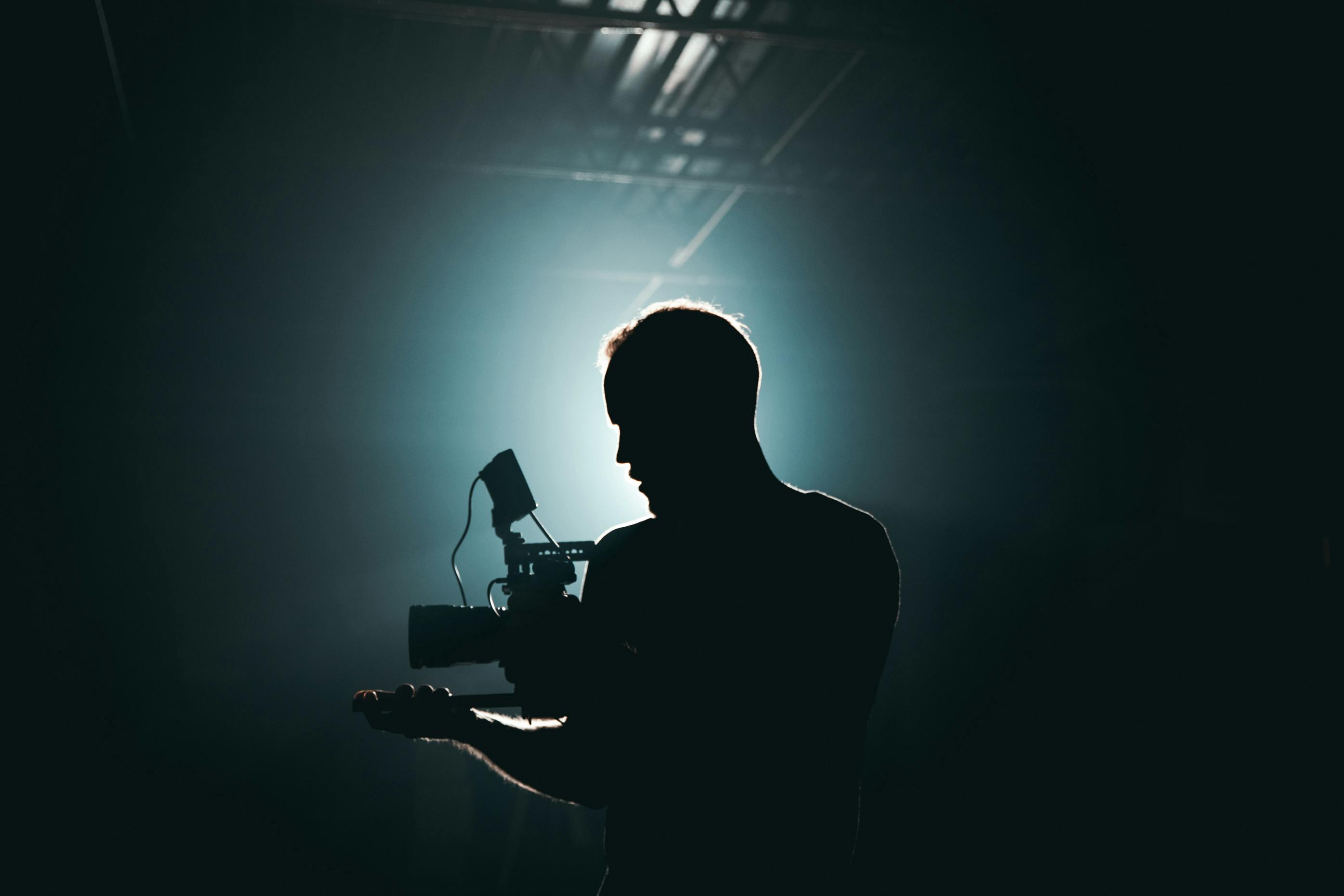
Our video production agency professional helps you structure, plan and succeed in your shooting, from script to post-production.
The shooting is a central step in any audiovisual project. Whether it's a corporate movie, commercial, comedy, documentary, or digital content, filming largely determines the final quality of the production. This article explains the Definition of filming, its various operations, the criteria to be respected, as well as the essential steps before filming, during filming and after. You will also discover words similar to the term filming, the tools used, the role of the team, and why this phase is as decisive as editing.
What is filming? Definition and origin of the term
La Definition of filming may vary depending on the context. In the audiovisual field, filming refers to all the operations consisting of save images and sound in order to create a visual work. According to the dictionary and Wikipedia, filming is a production phase during which scenes are filmed using a specific technical device.
Historically, the word filming is not limited to audiovisual media. It also exists in mechanics, in machining or turning on wood, where the material is shaped by rotation. This notion of rotation, cutting movement and removal of material explains the common origin of the term, which is found both in industrial manufacturing and in audiovisual creation.
Filming is a key stage in audiovisual production
In an audiovisual project, the Shooting is a stage strategic. It falls between the preparation phase (writing, scouting, casting) and the post-production phase (editing, calibration, broadcasting). Poorly-prepared filming leads to delays, additional costs, and a loss of overall quality.
During a shoot, every detail counts: the light, the framing, the shooting, the sound, the camera movements and the coordination of the actors. Filming makes it possible to visually translate a scenario and to give life to the creative intentions defined beforehand.
Before filming: preparation, organization and essential criteria
Before filming, a rigorous preparation phase is essential. It starts with defining the objective of the project: communication, promotion, training or storytelling. This step also includes scheduling, managing the budget, and distributing roles within the team.
The Casting is one of the major criteria. The choice of actors or extras must correspond to the profile sought and to the brand image of the project. Items like hair, makeup, outfits, and accessories are also defined at this stage to ensure visual consistency.
What tools and materials are used during filming?
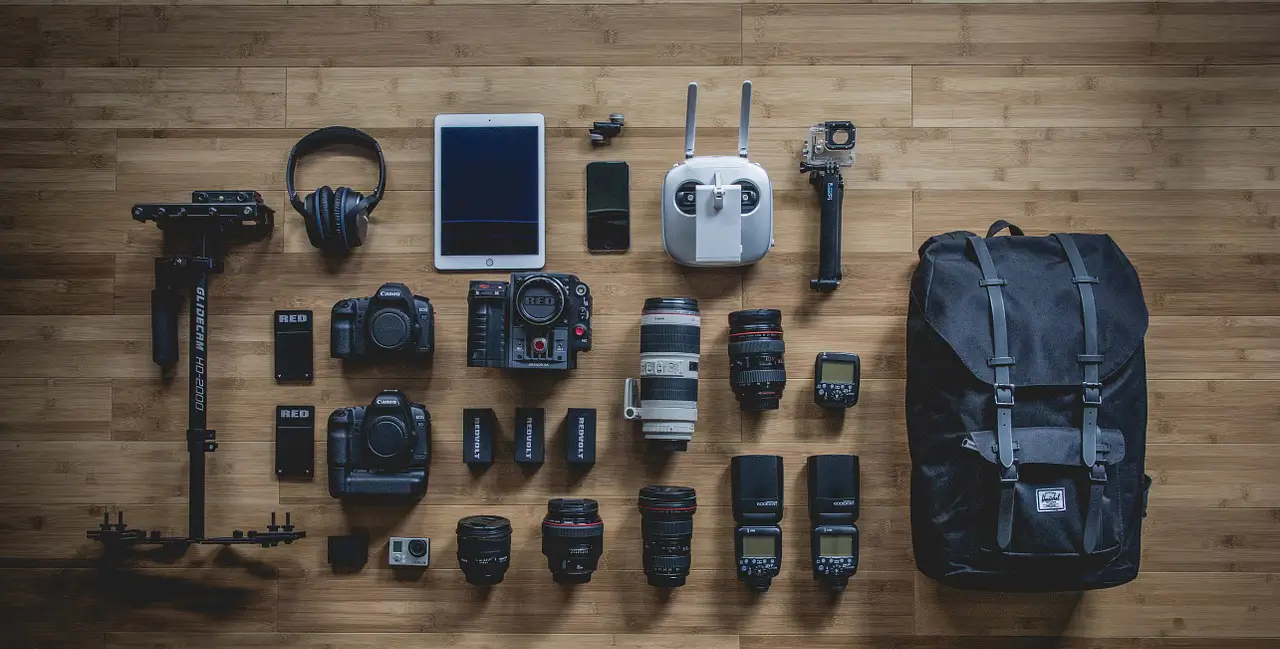
Filming is based on the use of a tool or several technical tools adapted to the project. In audiovisual, this includes cameras, lenses, lighting devices, microphones, and digital recording systems. Each tool must be chosen according to the type of production and the expected result.
In a broader sense, filming also exists in the industrial field. In mechanics, machines, wood lathes, a mandrel, a collet or a clamping system are used to shape metal, wooden or ceramic parts. This analogy illustrates the importance of adjustment, cutting speed, and diameter control in any turning process.
To go further on the practical and creative aspects of filming, also discover Video shooting techniques explained by Les As Frenchies, a useful guide to refine your audiovisual projects.
The role of the crew and professionals on a shoot
Professional filming is based on a team structured. Each member plays a specific role: director, camera operator, sound engineer, sound engineer, makeup artist, production assistant, extra or main actor. Coordination between these profiles is essential to ensure the fluidity of the operation.
The operator is responsible for shooting, while the director oversees the entire creative process. In some projects, an engineer is involved to guarantee technical quality, especially on complex devices or numerically controlled filming.
Filming during an audiovisual project: concrete process
During a shoot, each scene is shot in a specific order, which does not always correspond to the final chronology. This organization makes it possible to optimize time, travel and available resources.
During filming, it is crucial to follow safety instructions, check technical settings, and ensure that each shot matches the requirements of the scenario. Even the smallest oversight can complicate subsequent editing or require reshooting.
Words similar to the term filming and their uses
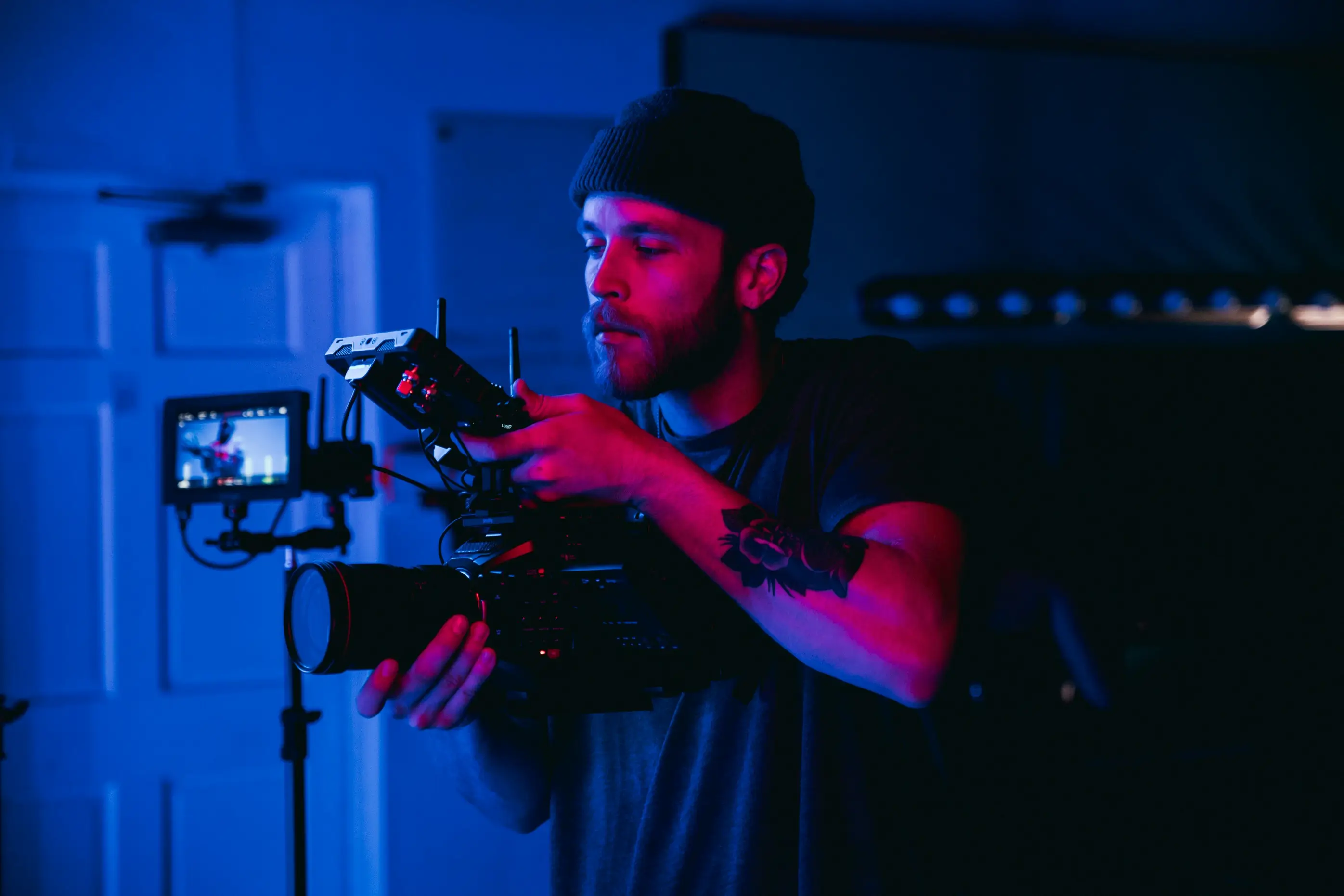
Les Close words The term filming varies according to the field. In audiovisual, we also talk about filming, recording or shooting. In industry, turning is linked to machining, shaping, rotating the part and removing material.
Understanding these similar words makes it possible to better understand the richness of the term filming, which refers to both a creative action and a technical process. This versatility explains why the word appears as well in the dictionary as in fields as varied as mechanics or digital creation.
The materials used and the parallel with mechanical turning
In industry, turning involves the transformation of materials used such as metal, wood or ceramics. The principle is based on the revolution of the part around an axis, combined with a precise cutting movement.
This parallel is interesting, because in audiovisual too, filming requires precision, control of parameters and adaptation to constraints. As in machining, the slightest incorrect adjustment can compromise the final result.
Filming and the artistic dimension: actors and comedy
In a comedy or a narrative film, filming is not limited to a technical operation. It becomes a space for artistic creation where actors play a role, interact and bring the story to life.
The direction of actors, the management of the movement within the framework and the artistic aim are essential to obtain a credible and engaging scene. Filming then makes it possible to tell a story in a visual and emotional way.
Audiovisual production: a complete universe of skills for successful professional filming
La audiovisual production brings together a wide range of jobs and know-how, all essential to the success of a project of professional video shooting. That we are talking about Short film, of documentaries, of music videos, of institutional films or content intended for social networks, each format requires a rigorous organization and a specialized team.
One audiovisual production company Or a audiovisual production agency coordinates all the steps: from Shooting At Mixing, going through the Motion Design, thegraphic skin, the post-production, the mounting And the streaming. La Filmmaking involves professionals such as the director, the Camera operator, the fitter, the cameraman and the experts of special effects.
In the heart of film production, the Shots are essential. They can incorporate advanced technologies such as drone, which makes it possible to capture spectacular cinematographic aerial shots. La Film production also depends on audiovisual professions, sometimes coming from courses such as the BTS Audiovisual, who form at the audiovisual communication and to the realities on the ground.
Today, the film productions vary from footage institutional to communication movies created by production companies Or production teams independent. Even the media digital companies use these skills to produce engaging content. The Motion And theanimation make it possible to energize the making a video, especially in the case of online product or service presentations.
In summary, each shoot calls for collective expertise, led by a prod experienced and supported by specialists in image, sound and visual narration. La Filmmaking requires more than hardware: it requires vision, fluid coordination, and the commitment of experts who are passionate about visual storytelling.
.webp)
Training and skills needed for a successful shoot
Successful filming requires specific skills, acquired through experience or through specialized training. These courses cover audiovisual techniques, project management, light, sound and visual storytelling.
Whether you are a director, technician or extra, understanding the requirements of professional filming makes it possible to anticipate the constraints and improve the overall quality of the project.
Filming and its link to video editing
Filming and editing are closely linked. A well-prepared shoot makes editing much easier, as the images are coherent, well-framed and usable. On the other hand, disorganized filming complicates the final assembly.
Each shot must meet a specific objective in order to be effectively integrated during editing. This continuity guarantees a smooth narration and a professional result.
The criteria for the success of a professional video shoot
Several criteria allow you to assess the success of a shoot:
- thorough preparation before filming,
- a clear organization during filming,
- a coordinated and competent team,
- adapted and well-adjusted tools,
- compliance with technical and creative requirements.
These criteria ensure that filming fulfills its role and contributes to the overall success of the audiovisual project.
What are the challenges to anticipate during filming?
Even with excellent preparation, a shooting professional may be confronted with several unforeseen events. Anticipating these challenges makes it possible to deal with them quickly without compromising the quality of production.
Technical issues
One of the first risks involves hardware: a broken camera, a faulty microphone, or unstable lighting can slow down filming considerably. It is therefore essential to always provide emergency equipment (cameras, batteries, cables, accessories...) and to check the devices before each session.
Meteorological conditions
For outdoor filming, the weather is a determining factor. A sudden change in light or a downpour may force the team to change the program or adapt the settings. It is therefore necessary to have plans B (places covered, replacement sequences) to remain effective.
Human and logistical management
Finally, team management (delays, fatigue, coordination errors) is often a challenge. It is important to maintain good communication, to respect the schedules, and to ensure the well-being of actors and technicians alike. The role of the production assistant is then crucial in organizing trips, breaks and adjustment times.
By anticipating these hazards, the Professional shooting can remain fluid, even in case of unexpected events. An experienced team will be able to demonstrate adaptability to deliver quality content on time.
FAQ — Frequently asked questions about professional video shooting
What is an audiovisual shoot?
Audiovisual filming corresponds to the stage of capturing a video project. This is the phase where the scenes are filmed, the sounds recorded, and the actors or extras directed according to a specific scenario. It is an essential operation that gives shape to any visual communication project.
What is the difference between mechanical filming and audiovisual filming?
Mechanical turning is an industrial or artisanal process linked to the machining of materials such as wood or metal. It consists in shaping a part by rotation using specific machines. Audiovisual filming, on the other hand, falls within the field of video production: it involves recording a visual work (film, clip, report, etc.).
What tools are essential for video shooting?
Professional filming requires appropriate equipment: cameras, microphones, projectors, reflectors, tripods, as well as audio and video recording devices. In addition, there are accessories such as poles, backgrounds, outfits, and sometimes makeup or hairstyling equipment for the actors.
Do you need training to work on a shoot?
Yes, most jobs related to filming require specific skills. Whether director, sound engineer, cinematographer or camera assistant, everyone must master technical and artistic tools. Training courses exist in film schools or through professional courses.
Can a shoot be done without a budget?
It is possible to shoot with few resources using accessible equipment (smartphone cameras, natural light, free software). However, for a professional result, it is preferable to plan a budget, even a minimal one, to guarantee the quality of the images, sound, editing and the general organization of the project.
Summary: key points to remember
- The shooting is a central stage in any audiovisual production.
- It exists in several fields, from audiovisual to mechanical engineering.
- Good preparation before shooting is essential.
- The tools, the team and the materials used directly influence the result.
- Filming determines the quality of the final cut.
- Mastering technical and artistic criteria guarantees a successful production.